Buying a used car in Dubai can save you tens of thousands of dirhams compared with a brand-new model - but only if you avoid the common traps. This step-by-step guide walks you through the entire process for 2026, from setting a realistic budget to completing the RTA ownership transfer.
1. Set a realistic budget
Your purchase price is only part of the cost. Before you start shopping, budget for the extras that every UAE buyer faces:
- Insurance - typically 1.5%-4% of the car's value per year.
- RTA transfer and registration - a few hundred dirhams plus testing fees.
- Service buffer - set aside money for tyres, brakes and the first service.
If you plan to finance the car, use our car loan calculator to see the real monthly cost before you commit.
2. Choose the right car for UAE conditions
The UAE's heat, sand and long highway drives are hard on cars. Models with strong local dealer support, cheap parts and proven reliability hold up best and are easier to resell. Browse current stock by body type or brand on our used cars pages, or jump straight to popular searches like Toyota and Nissan.
New specs vs. used value
A two-to-three-year-old car has already taken its steepest depreciation hit, so it usually offers the best value-for-money in the used market while still feeling modern.
3. Check the history and the specs
Never buy a used car in Dubai without checking its background. A clean-looking car can still hide accident damage, odometer tampering or an unpaid loan.
- Run a VIN check to confirm the car's identity and history.
- Confirm the regional specs (GCC specs are built for the Gulf climate and are easier to service and resell than imported US or other specs).
- Ask for the full service history and match it against the odometer reading.
4. Inspect before you pay
Always have the car inspected by an independent garage or an RTA-approved testing centre. A professional inspection costs a small amount but can reveal expensive problems - engine, gearbox, suspension, rust under the chassis and previous bodywork repairs.
On a test drive, listen for unusual noises, check that the air conditioning blows ice-cold (essential in the UAE), and make sure all electronics and warning lights behave normally.
5. Agree the price and paperwork
Used-car prices are negotiable. Use comparable listings on CarsClub to justify your offer, and run the car through our free car valuation first so you arrive knowing what it is actually worth. Before money changes hands, make sure the seller can provide:
- The original registration card (Mulkiya).
- Emirates ID / trade licence of the seller.
- Proof that any outstanding finance on the car has been cleared.
6. Transfer ownership at the RTA
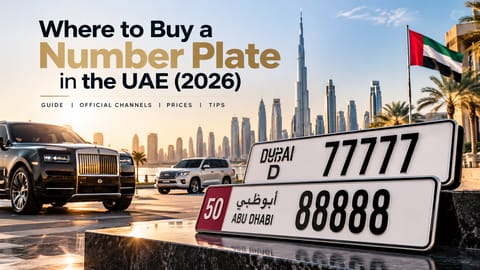
In Dubai, ownership transfer is handled by the RTA (or an approved service centre). The car must have valid insurance in the buyer's name and a passing technical test. Once fees are paid, you receive a new registration card and plates where applicable - and the car is officially yours. Fancy something more personal than a standard plate? See our Dubai number plates guide and browse number plates for sale.
Frequently asked questions
Is it cheaper to buy a used car in Dubai than a new one?
Yes. A used car avoids the heaviest first-year depreciation, so you get more car for your money - especially on models two to three years old.
What documents do I need to transfer a used car?
You need valid insurance in your name, the seller's registration card, both parties' Emirates IDs (or trade licence), and a passing vehicle test.
Should I buy GCC-spec or imported?
GCC-spec cars are designed for Gulf heat, are easier to service locally, and hold their value better at resale. They are the safer choice for most buyers.
Ready to start? Browse thousands of inspected listings on CarsClub used cars, or narrow your search by emirate - for example used cars in Dubai.